 1300 4 722642
 sales@eurowreck.com.au (Melb)
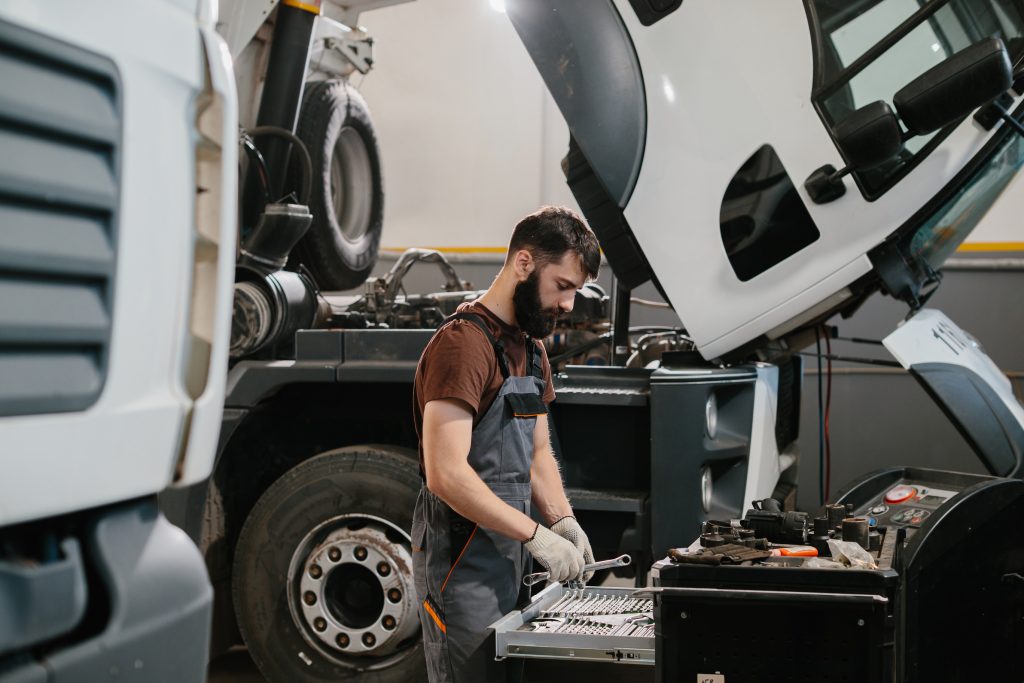
Long-haul work puts a lot of pressure on a truck. Long hours, heavy loads, hot roads, and stop-start traffic can all make the engine work harder. For Scania operators, keeping the cooling system in good condition is one of those maintenance tasks that should never be pushed aside.
The cooling system helps manage engine temperature and reduce the risk of overheating. If a single part starts to fail, it can affect the entire system. Regular Scania truck cooling system checks can help operators spot early warning signs before they turn into bigger problems on the road.
Why Cooling System Checks Matter
A truck engine generates a lot of heat, especially when hauling freight over long distances. The cooling system helps move that heat away from the engine so it can keep running at a safe operating temperature.
If the system is not working properly, the engine may start to run hot. This can lead to reduced performance, unexpected downtime and costly repairs if ignored.
For long-haul operators, even a small cooling issue can become a major problem when the truck is far from the workshop.
Coolant Level and Condition
Coolant is one of the first things worth checking. Low coolant can make it harder for the system to control engine temperature, while old or contaminated coolant may not protect the system as well as it should.
Operators should look for low levels, discolouration, oil contamination or signs of leaks around the coolant tank. If coolant needs topping up regularly, there may be an underlying issue that needs attention.
Good Scania cooling system maintenance starts with making sure the coolant is clean, suitable and sitting at the right level.
Radiator Health
The radiator plays a major role in keeping the engine cool. If it is blocked, damaged or leaking, heat may not be released properly.
Long-haul trucks can collect bugs, dust, dirt and road grime across the radiator over time. This can reduce airflow and make the cooling system work harder. A quick visual check can help identify bent fins, leaks, corrosion or debris buildup.
A clean and healthy radiator supports better cooling, especially during hot weather and heavy load conditions.
Hoses and Connections
Coolant hoses move fluid through the system, so they need to stay in good condition. Cracked, soft, swollen or leaking hoses can cause coolant loss and pressure problems.
Hose clamps and connections should also be checked. A small leak around a clamp may not seem urgent, but it can become worse under heat and pressure.
For trucks covering long distances, checking coolant hoses before a trip can help reduce the risk of roadside issues.
Water Pump and Thermostat
The water pump helps move coolant through the engine and radiator. If it starts to fail, the coolant may not circulate properly, which can cause the engine to run hot.
The thermostat also plays an important role. It helps control coolant flow based on engine temperature. If it sticks open or closed, the engine may take too long to warm up or may overheat.
Water pump and thermostat issues are not always obvious at first, so unusual temperature changes should not be ignored.
Radiator Fan and Belts
The radiator fan helps move air through the radiator, especially when the truck is moving slowly or sitting in traffic. If the fan is not working properly, cooling performance may drop.
Belts are also worth checking because they help drive important components. A worn, cracked or loose belt can affect cooling system performance and may fail without much warning.
These parts are easy to overlook, but they can make a big difference during long-haul driving.
Warning Signs on the Road
Cooling problems can show up in different ways. The temperature gauge may rise higher than usual, coolant may disappear faster than expected, or the driver may notice steam, warning lights or unusual smells.
A truck may also feel less responsive if the engine is running too hot. These signs should be taken seriously, especially during long trips or when carrying heavy loads.
Early checks can help prevent a minor issue from becoming a breakdown.
Australian Conditions Can Be Hard on Cooling Systems
Australian roads can be demanding for heavy vehicles. Heat, dust, long distances, steep climbs and heavy freight can all place extra strain on cooling components.
A Scania truck used mainly for local work may have different cooling system needs from one regularly travelling regional or interstate routes. This is why maintenance should consider real operating conditions, not just standard intervals.
Long-haul Scania operators often benefit from more regular inspections, especially before peak summer driving or extended trips.
A Practical Reminder for Operators
Scania truck cooling system checks do not need to be complicated, but they do need to be consistent. Coolant levels, radiator condition, hoses, belts, fans, water pumps and thermostats all play a part in keeping the engine temperature under control.
For long-haul operators, regular cooling system checks can help support reliability, reduce avoidable downtime and keep trucks better prepared for demanding conditions.
Euro Truck Spares supplies parts for Scania trucks and buses, including cooling system components suited to ongoing servicing and repair. For hard-working vehicle operators, keeping the cooling system in good condition is a practical way to protect on-road performance.
